The potential to collaborate synergistically was born out of the need of reconstructing fragmented sectors that could lead to the sustainable eradication of extreme poverty. Instead of being left paralysed by the enormity of the task, three feasible options were considered: identifying the problem and remaining challenges, suggesting possible solutions, and creating social and environmental impact through SEEC Enterprise.
What is the Problem?
High levels of unemployment and inequity contribute to around 800 million people still living in extreme poverty today.
Although non-state actors such as social enterprises are well positioned in the social economy to address social and environmental issues, sustainable solutions to global crises remain elusive.
Three of the most important challenges that social enterprises face in their quest to find solutions to these global crises are the following:
1
environmental and economic dimensions of sustainability are not integrated into social entrepreneurial business models, thereby making it challenging to generate revenue sustainably, keeping social enterprises dependent on grants,
2
the use of innovative finance which includes access to funding and alternative financial instruments are not fully explored, contributing to social enterprises not having bankable projects,
3
the multi-dimensional concept of governance – which includes policy, operations, and legal structures – is severely fragmented, often leaving social enterprises in an institutional void of not having access to appropriate legal structures.
How can the problem be solved?
A unique way of solving the problem of eradicating extreme poverty, is to call on social enterprises as part of an entrepreneurial ecosystem to alleviate social and environmental issues by co-creating sustainable change. A Socio-Environmental Enabling Community Enterprise (SEEC Enterprise) is a bespoke social enterprise that achieves its social and environmental mission through its commitment to generate revenue sustainably. The SEEC Enterprise creates synergy through its operations with like-minded partners, generating spillovers, thereby compensating for shortcomings in communities plagued by social and environmental issues.
A process of transformation is achieved through the application of the SEEC Enterprise Framework, spread out over four phases of analysing data, resolving challenges, building capacity, and allowing for synergistic spillovers.

Characteristics of a SEEC Enterprise:
A SEEC Enterprise

has measurable social and environmental impact,
solves a problem in society and the environment by applying pattern-breaking solutions, based on social business models that enable earned income, thereby enabling social enterprises to be self-supportive or profitable,
is entrepreneurial in nature, combining innovative risk-opportunity with a social and environmental purpose for the sake of change, addressing existing opportunities and challenges,
operates within a community of like-minded partners, forming an ecosystem in which role models are instrumental,
is part of an enabling community in which its members trust one another to contribute to the generation of positive spillovers in transparent ways,
builds on trust as a governing mechanism, through which behaviours related to policy, operational and legal structure-levels are invoked, leading to fear and non-transparency being replaced with confidence and transparency.
How did the SEEC Enterprise come about?
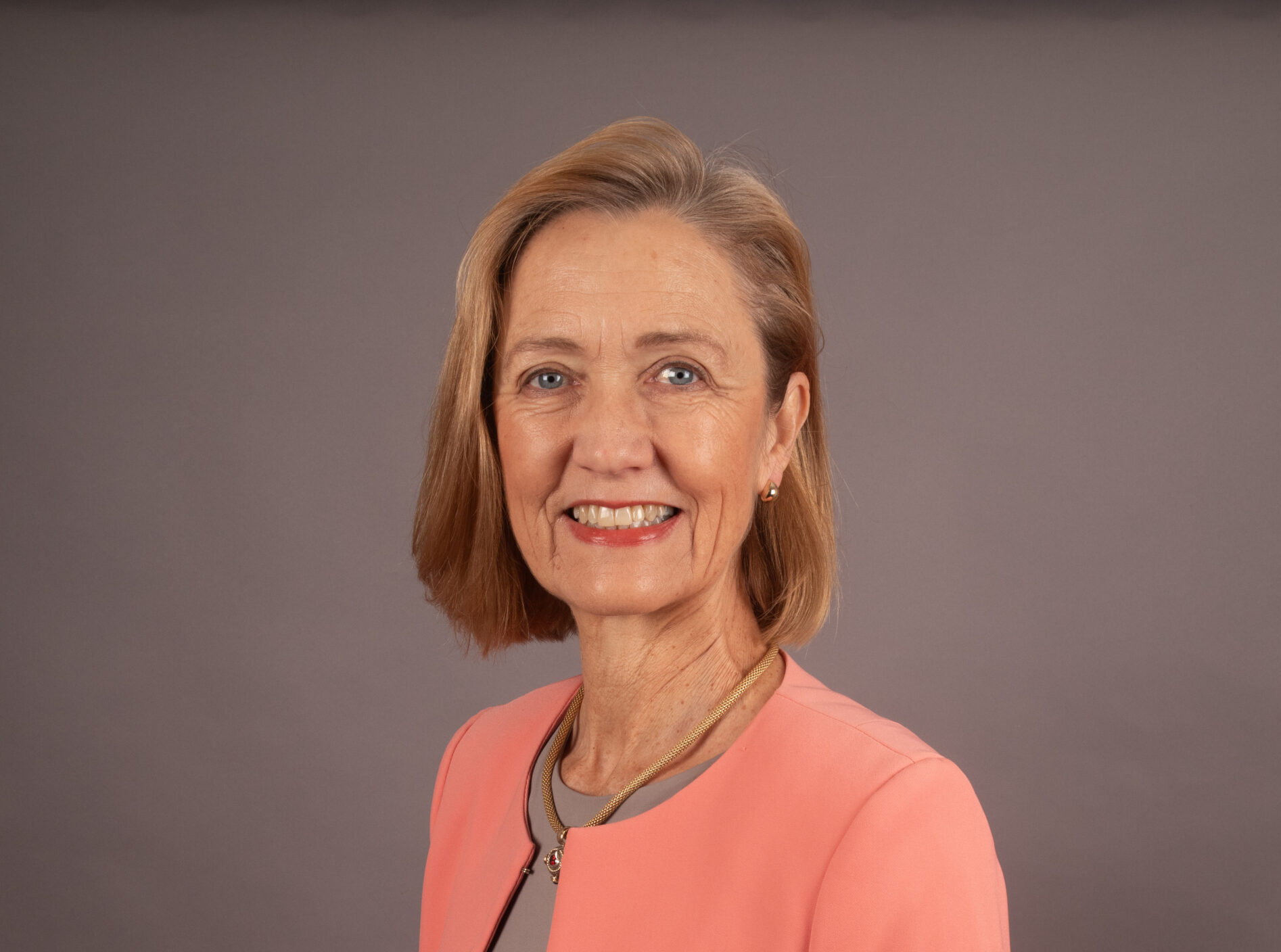
I am familiar with the social, economic, and environmental challenges that SEOs face. I grew up in a country where socio-economic inequalities are unapologetic and where the prospect of finding sustainable solutions has so far been bleak. It is therefore a matter of nature and nurture as my intense involvement with, and understanding of, social enterprises have deepened over time and across the world. I have been involved with programs ‘enabling vulnerable children to face the future with confidence’ by supporting sustainable health, education, and community programs. During this time, I was struck by the resilience and resourcefulness of people challenged by, amongst others, disease, overcrowded homes, crime and fear.
This motivated me to launch a social enterprise with the vision of co-creating pattern-breaking change for families living in extreme poverty. This social enterprise was managed according to a four-phased model: SEO-members establishing multi-stakeholder relationships in the first phase, committing to values formation in the second phase, contributing sweat equity hours to building community nodes in the third phase. The fourth phase of initiating and cultivating social and for-profit local businesses, enabled potential entrepreneurs to discover their sweet spots as they worked their way out of unemployment.
I was determined to understand how to contribute to the eradication of extreme poverty in a sustainable way and decided to do academic research on the subject. On this journey I have come to know social entrepreneurs whose work has inspired me to use the potential of positive spillovers in proposing a framework for social enterprises, which is now referred to as the SEEC Enterprise Framework.